1What to Buy
Overhaul your shopping list by adding a few vegan meats and nondairy delights. Here are some of the products that make our mouths water the most! Best of all, many of these can be found at grocery stores in your neighborhood.
A few of our favorites are Daiya vegan cheeses, Gardein vegan meats, Earth Balance vegan butters, and Oatly oatmilks!
*Check the box next to each product to add it to your virtual list. E-mail the list to yourself for easy viewing on your phone or for printing.
Where to Find 'Em
Many grocery stores have a natural- or health-food section, where many vegan items can be found. Some products are located in other areas, though. For example, veggie meat slices and tofu are often kept near the produce and some frozen products are kept near breakfast foods. Vegan margarine and soy milk are frequently kept right next to the dairy varieties. Be sure to ask a store clerk for help if you can't find what you are looking for.
3Where to Eat
There are usually vegan options no matter where you are—a restaurant, a friend's house, or on the road. You just have to know what to look (and ask!) for. Here are some pointers to help you eat vegan when you're away from home:
-
At a restaurant:
There are vegan and vegetarian restaurants around the country, but you can also find plenty of vegan options at restaurants that serve meat. Check out our list of chain restaurants that are serving up meat-free meals. Don't worry if your favorite spot is not on the list. Just ask the waiter what vegan options are offered, and most restaurants will accommodate you—even a steakhouse!
-
At a friend's house:
Get involved! Call ahead of time and ask your friend what is on the menu. Offer to help make it vegan or bring a tantalizing vegan dish to share.
On the road:
When traveling, arm yourself with an app that will help you find the closest vegan or vegetarian restaurant.
One of our favorites is the Happy Cow app.
Tips for Eating Out
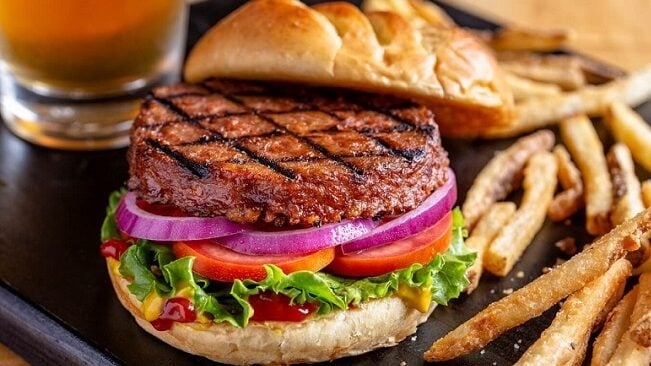
Meat-Free Burgers
Many restaurants offer tasty vegan burgers. At Carl's Jr. locations, the Beyond Famous Star Burger can be made vegan by ordering it without cheese or mayo. UNO Pizzeria & Grill offers a Beyond Burger, too. At Johnny Rockets, go for the Gardein black bean burger. Red Robin offers a vegan burger patty, too—order it on a ciabatta bun, rustic Italian bread, or a lettuce wrap and ask for no cheese or aioli sauce.
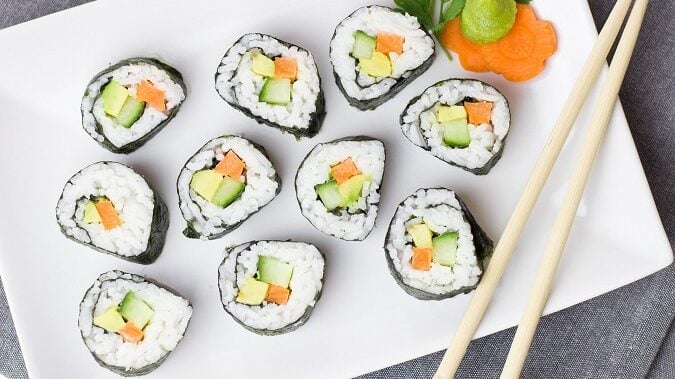
Asian Fusion
Asian cuisines offer a wide variety of choices for hungry vegans! Most Chinese restaurants will let you substitute tofu in any of their entrées to create a vegan dish, and many feature a large selection of vegan meats. Panda Express offers eggplant tofu, spring rolls, brown and white rice, and chow mein, which are all vegan. At Noodles & Company, the Japanese Pan Noodles and Spicy Peanut Sauté are vegan and the Spicy Korean Beef Noodles can be made vegan if you ask for tofu instead of beef.
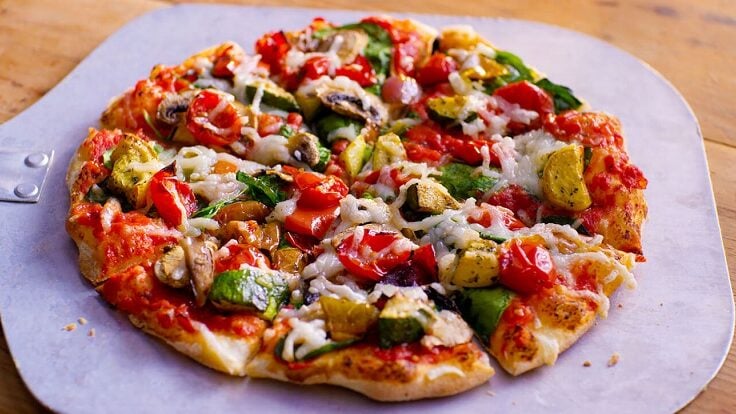
Pizza
Pizza joints across the country are dishing out delicious vegan pizza. Pieology offers vegan cheese and vegan meatballs, chicken, and Italian sausage. Blaze Pizza offers vegan cheese and vegan Spicy Chorizo. The pizza sauce and dough at Little Caesars and Papa John's are vegan, too—simply skip the cheese and load up on veggies to make an ultimate vegan pizza. Pizza Hut uses vegan marinara sauce, and its Thin 'N Crispy Pizza crusts are vegan as well. Other chains such as Mellow Mushroom and MOD Pizza also offer vegan cheese.
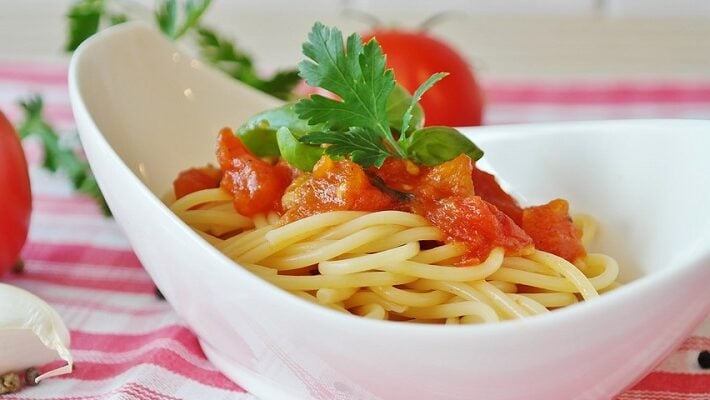
Italian-American
Many pasta dishes at Italian-American restaurants can be made vegan by topping them with a dairy-free sauce such as marinara and skipping the cheese. Olive Garden has lots of options—the breadsticks and minestrone soup are vegan, as are pasta dishes such as angel hair, fettuccine, rigatoni, small shells, and spaghetti topped with marinara sauce. At Buca di Beppo, the bruschetta is a great vegan appetizer if you hold the cheese. For your entrée, create your own pasta dish and top it with either marinara or the garlic olive oil sauce. At Carrabba's Italian Grill, go for the spaghetti topped with pomodoro sauce or Linguine Positano without the chicken.
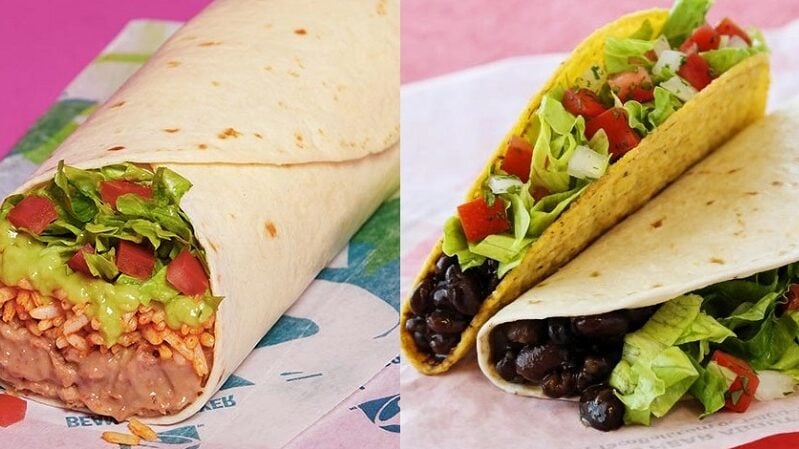
Mexican-Inspired
It's easy to order vegan food at Mexican-inspired restaurants. Chipotle offers Sofritas—tofu braised with peppers and spices—which you can order in a bowl, burrito, or taco or on a salad. At Taco Bell, you can order items fresco-style (pico de gallo is used instead of cheese or sour cream) and sub beans for meat. Del Taco offers Beyond Meat in both tacos and burritos—try the Beyond Avocado Taco. All tacos, fajitas, salads, and burritos at Moe's Southwest Grill can be made vegan by substituting tofu for meat and skipping the cheese.
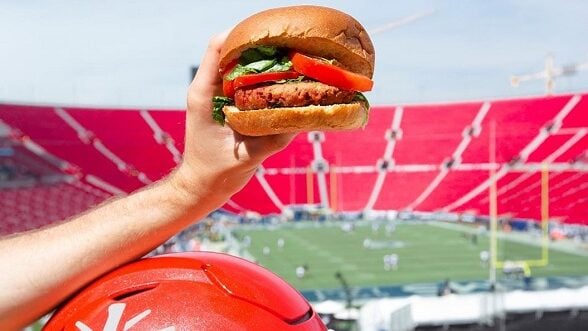
Stadiums and Ballparks
At many ballparks and other sports stadiums, you can now find a wide range of winning vegan dishes, including Beyond Burgers, vegan tacos, and veggie dogs. Many fan-favorite snacks are typically vegan, too, such as pretzels, cotton candy, Cracker Jack, nachos without cheese, and popcorn made with veggie oil instead of butter.
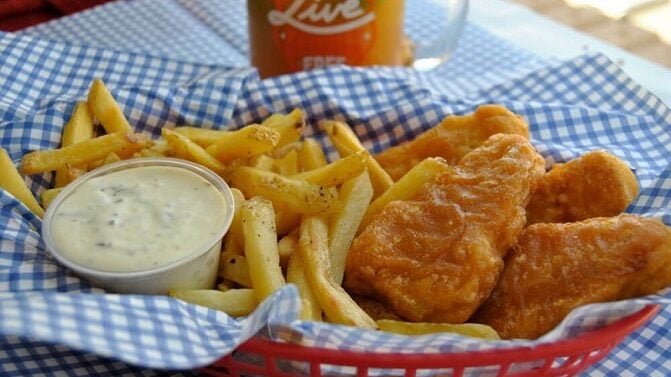
Sea Life, Not Seafood
Seafood restaurants commonly offer pasta dishes that can be made vegan. Ask your server to have your pasta made with garlic and olive oil and add any veggies that the kitchen has on hand. Red Lobster's tempting Dragon Broccoli—drizzled with a spicy and sweet sauce and topped with fried chili peppers is vegan. Pair it with a plain baked potato, rice pilaf, or French fries.
These are just a few of the many vegan offerings at restaurants around the country.
Need a Little Inspiration?
By going vegan, you will save more than 100 animals each year! Watch this video to see the cruelty that you will be helping to stop.
Going vegan is as easy as 1, 2, 3, but if you want a little more help, then order our free vegan starter kit today!
By submitting this form, you’re acknowledging that you have read and agree to our privacy policy and agree to receive e-mails from us.
Quinoa-stuffed avocado, tempeh with cranberry sauce, cinnamon buns, roasted potatoes, macaroni and "cheese," soba noodles, seitan wraps, pumpkin pie, and brownie: © Steve Lee Studios | Tagliatelle with artichoke and fresh herbs © iStockPhoto.com/eskymaks | Pasta ©iStockPhoto.com/Vitalina | Sloppy Jane © Levy Restaurants | Tofu and Vegetable Stir Fry © iStockPhoto.com/nicolebranan | Shopping Cart Icon © iStockPhoto.com/AdrianHillman | Email and Printer pictograms by Daniel Bruce, used under a Creative Commons Attribution-Sharealike 3.0 license.